Engineering overview
Detection versus prevention
Understand how the Gunnebo HiSec² series is engineered, identify the right single-person detection channel for your security requirements, and determine which configuration delivers the best fit—along with when this class of solution is the right investment.
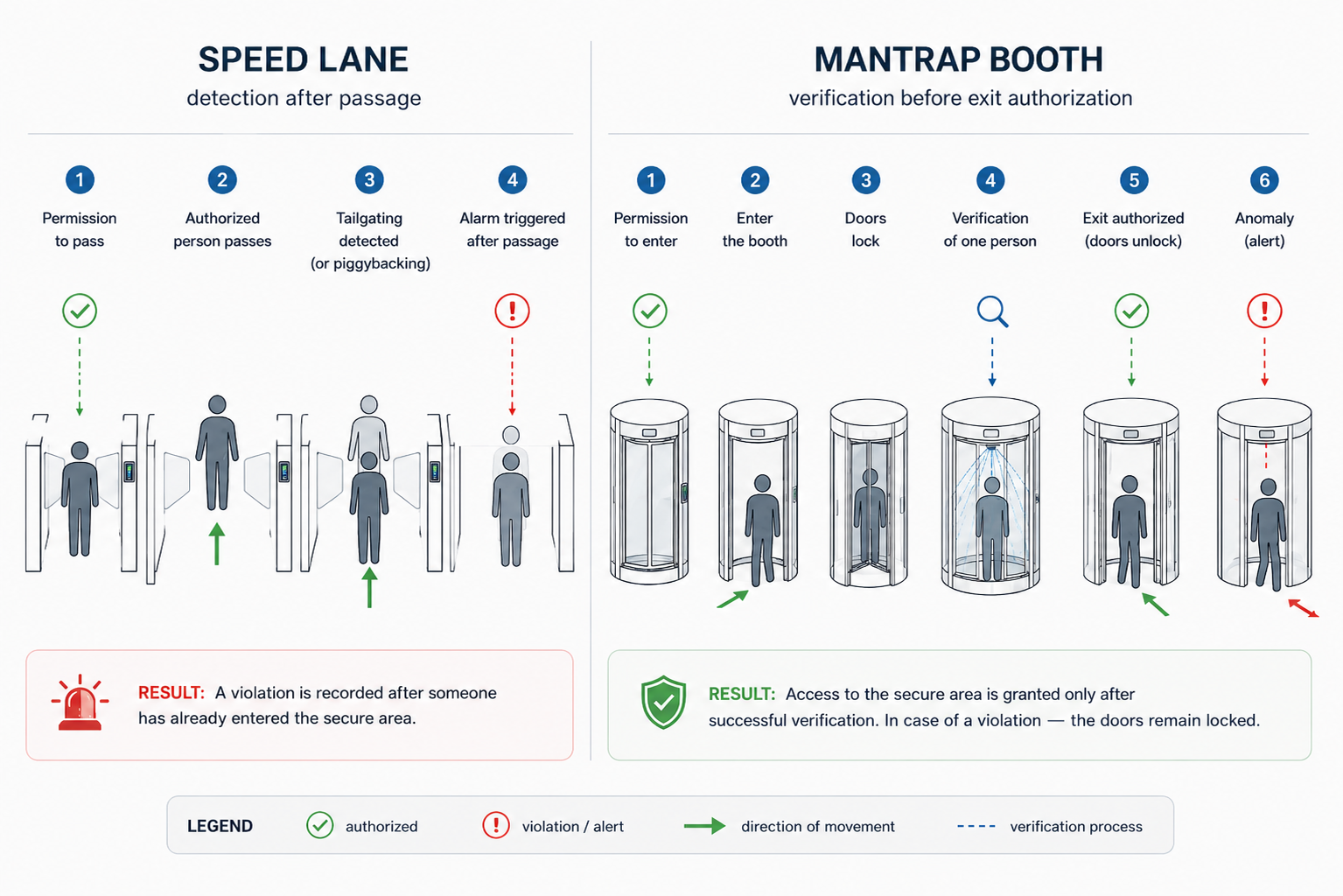
Modern entrance control systems are highly effective at detecting irregular access events. Speed gates can identify tailgating attempts, turnstiles equipped with presence sensors can distinguish multiple occupants within a single passage, and video analytics can recognize suspicious movement patterns and immediately alert security personnel. In most deployments, the challenge is no longer whether an event can be detected — it’s how quickly and effectively the organization can respond once it is.
The real question is what happens after the event is detected.
In most deployments, the outcome is the same: the system generates an alarm and records the event. By then, however, the individual has already entered the protected area. From that point forward, security depends on operational response — how quickly personnel react, whether an operator is actively monitoring the system, and how effectively alarms are assessed and prioritised throughout the shift.
A security portal fundamentally changes this sequence. Instead of detecting an unauthorized passage after it has occurred, verification takes place within a secure enclosure between two interlocked doors. If the authentication or inspection is unsuccessful, the second door simply remains locked. The individual exits through the entry door, while security personnel retain full visibility and control of the situation. Human intervention remains valuable — but it is no longer the only barrier preventing unauthorized access.
In either case, the access decision is made before the individual ever leaves the portal. Rather than evaluating the act of crossing itself, the system assesses what is happening within the secure enclosure while both interlocked doors remain closed. Because the user is stationary during this process, the system has the time it needs to perform a reliable assessment before granting access.
This operating principle also defines the primary trade-off of the technology. Reliable verification requires time, so passage becomes a sequential process: enter, wait while the assessment is completed, and then exit once access is approved.
A security portal delivers a higher level of passage assurance at the expense of throughput. This trade-off is inherent in the operating principle of the technology itself, rather than a characteristic of any particular model.
The following sections examine how this principle is implemented in the Gunnebo HiSec² series of security portals, and the operational conditions under which this class of solution delivers the greatest value.
Where the Gunnebo HiSec² Series Fits Within the Product Portfolio
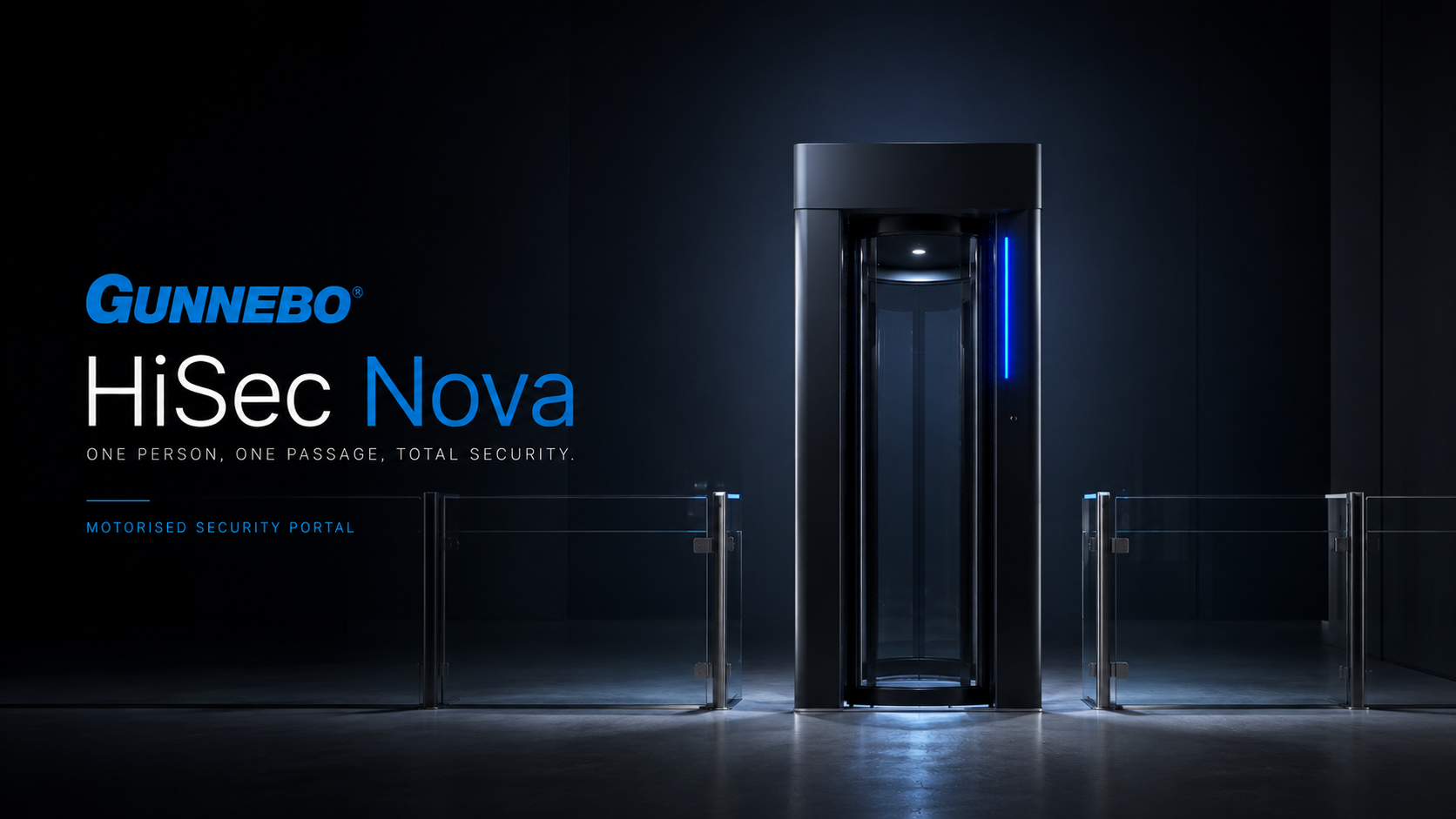
The HiSec² series is a family of motorised security portals designed for high-security applications in internal and semi-external environments. Within Gunnebo’s Entrance Control portfolio, it belongs to the security portal category alongside the HiSec Nova, HiSec² LPS and ImmSec product families. The series is intended for facilities where preventing unauthorized entry is a primary design requirement, including government buildings, financial institutions, data centres and other high-security sites.
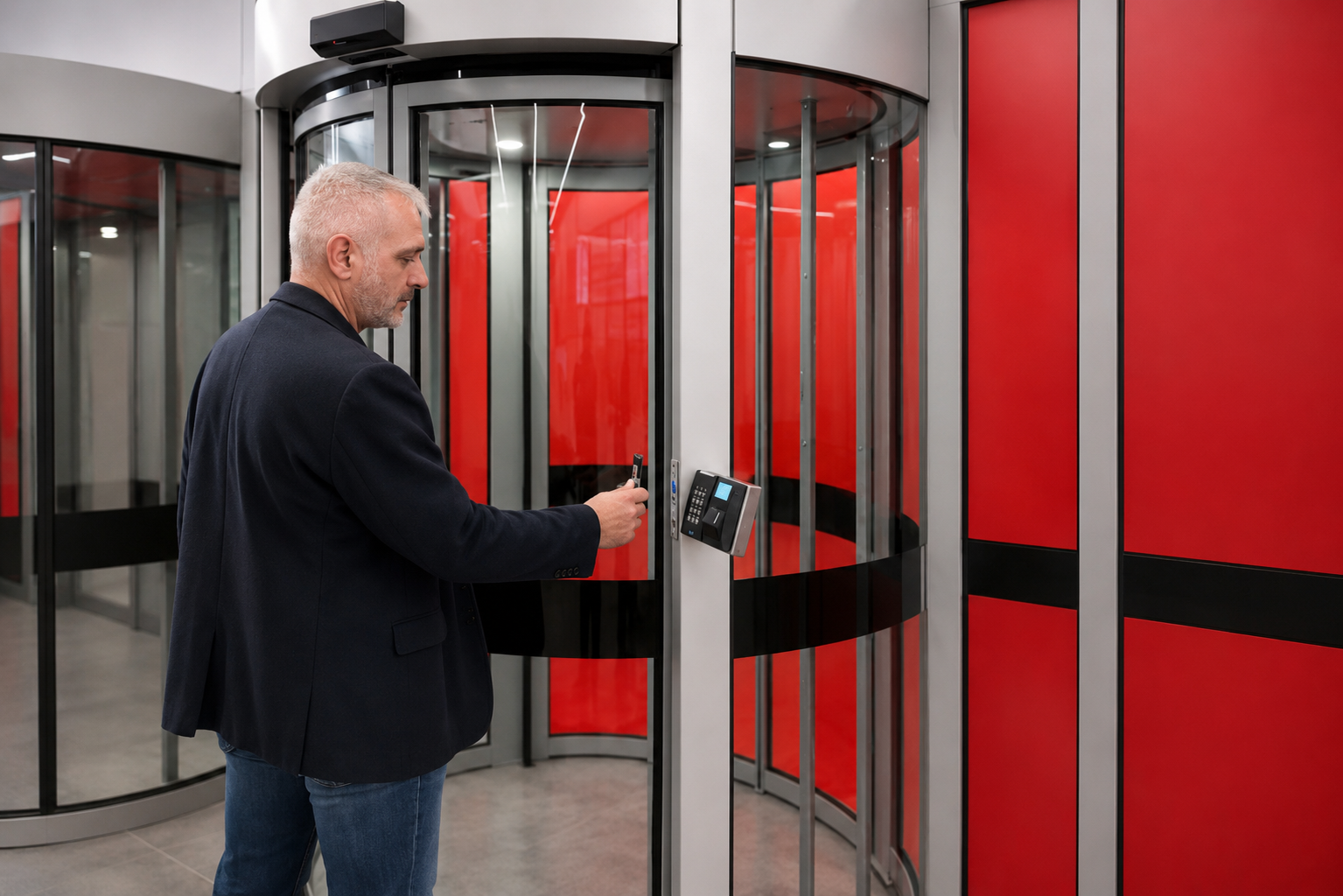
The HiSec² family offers two distinct approaches, each designed to address different security requirements.
Standard variants can be configured with progressively higher levels of physical protection, including upgraded glazing and reinforced construction certified to EN 1627 (RC2–RC4 depending on the model) and EN 1522 (FB4, FB6).
The HiSec² LPS line is a distinct sub-family certified independently to LPS 1175 Issue 8, C5 SR3 for attack resistance. Rather than a configuration option applied to a standard portal, it comprises a dedicated range of models engineered and certified to meet this higher level of protection.
The appropriate level of protection is determined by the site’s threat model, not by the product catalogue. In practice, this decision is typically made during the early design stage, alongside the selection of the portal’s geometry and configuration.
How the Security Portal Works: The Passage Cycle
The basic operating sequence is consistent across the HiSec² series:
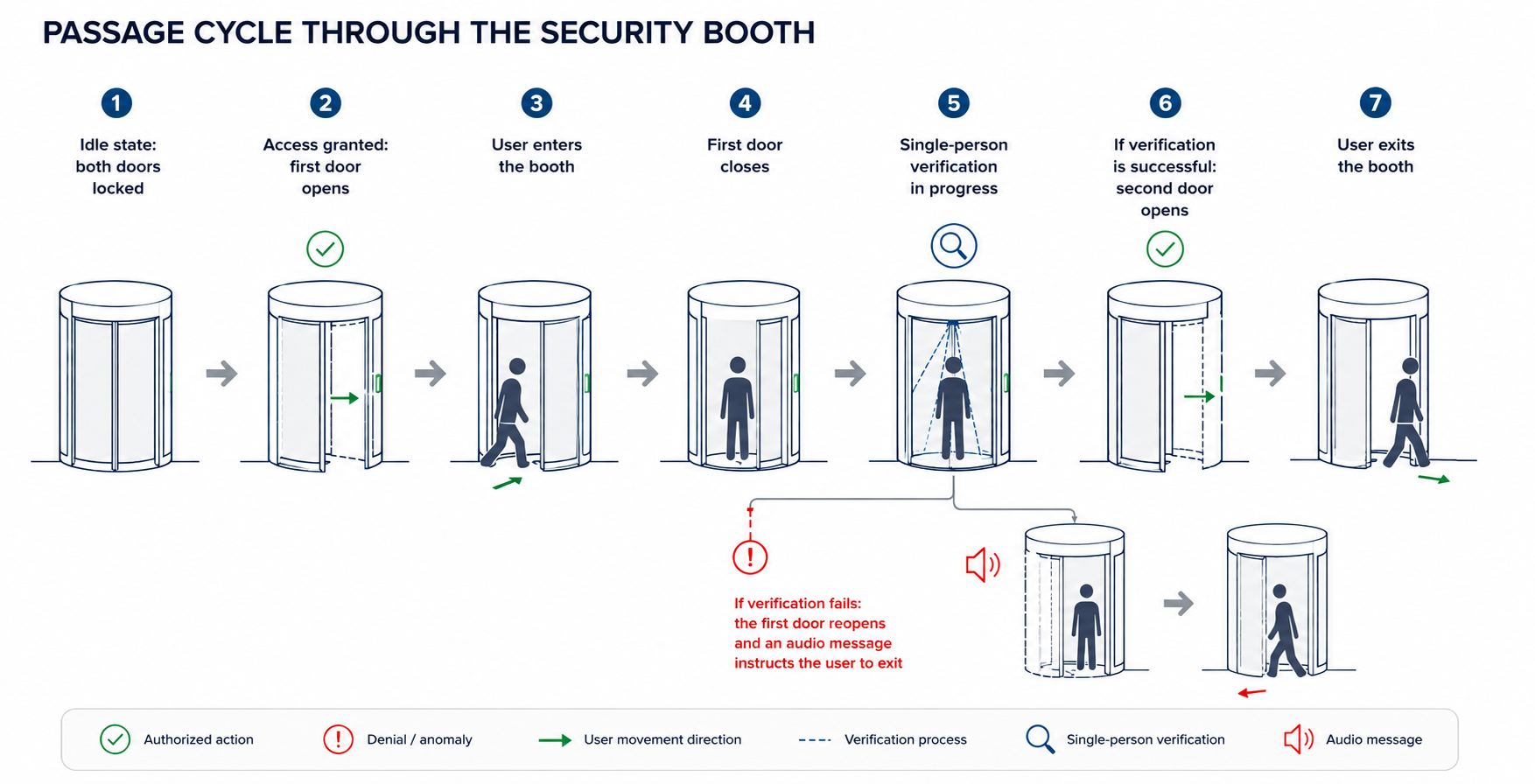
Running in parallel with the access control sequence is a dedicated user safety function. If the safety sensors detect an obstruction, the door movement is immediately reversed and the doors reopen to clear the passage. Depending on the portal configuration, this function is implemented using safety edges, active overhead infrared sensors on twin-leaf models, drive torque monitoring, and position feedback from the door drive.
What this means for system design. For a security portal, cycle time is determined by the complete passage sequence — not simply by door movement. It comprises user entry, door closure, verification, and door opening. As a result, the published throughput of approximately four to seven passages per minute cannot be increased simply by operating the doors faster. When the required traffic volume exceeds the capacity of a single portal, the solution is to increase passage capacity through additional portals, twin-portal configurations, or by combining different entrance control technologies across successive security layers.
Construction
The HiSec² series is available in both circular and square configurations. Regardless of the geometry, the portal is built around the following main components:
- Painted steel frame
- Laminated safety glazing available in a range of protection classes
- High-pressure laminate (HPL) ceiling and laminated composite base
- Top-mounted drive with two 24 V DC motors, rated at 50 W each;
- Electromechanical locking mechanisms
- Control electronics based on an industrial PC running Linux
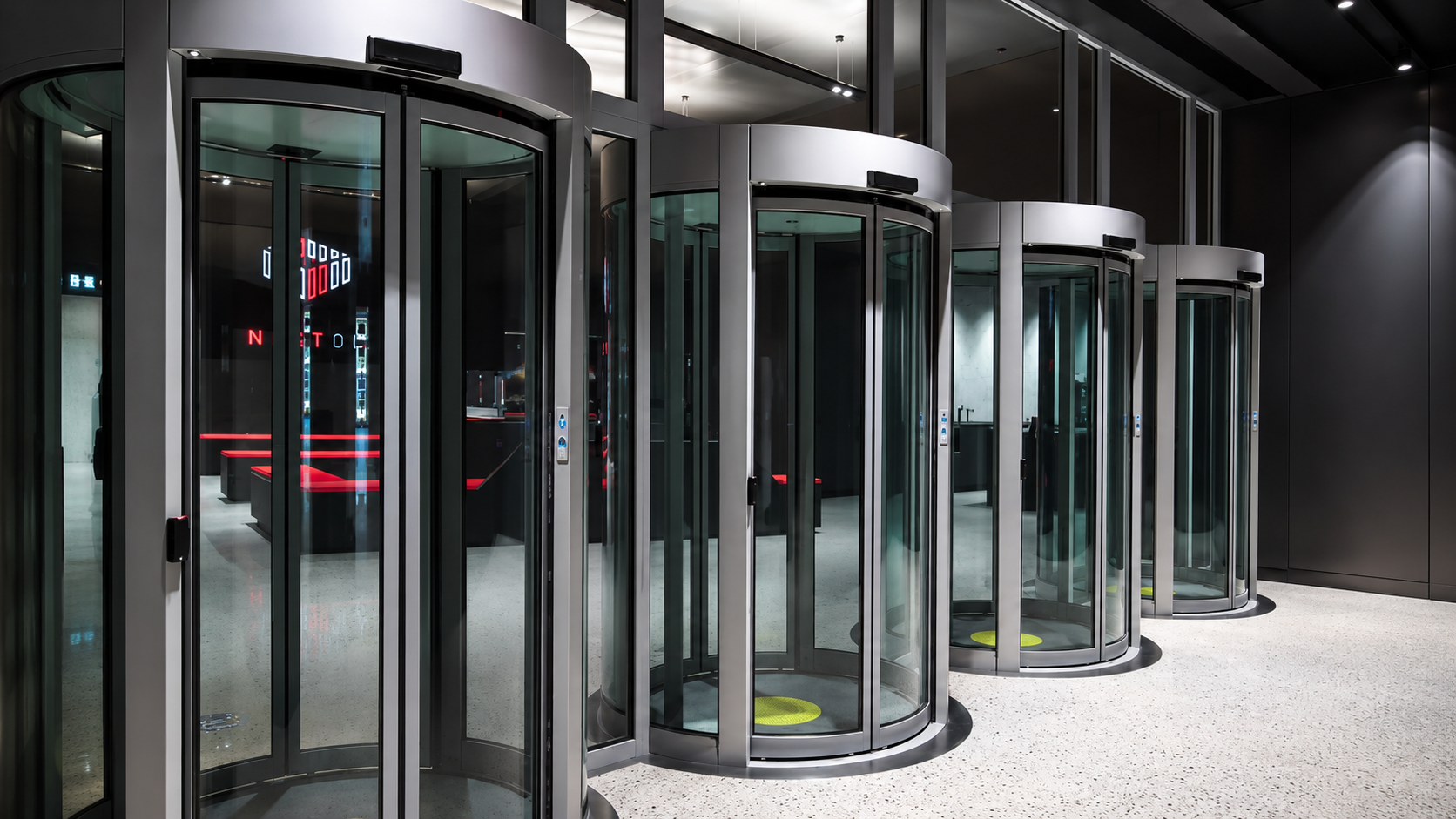
Standard glazing is 12 mm laminated safety glass rated to BR1/S and P4A. Higher protection classes—BR2/S, BR3/S, BR4/S, BR4/NS and BR6/NS—are also available. The standard passage height is 2100 mm. The portal is powered from a 230–240 V, 50–60 Hz supply, with 24 V DC control circuits. The enclosure is rated to IP33.
Electrical specifications are presented in two forms. The general architectural and engineering specification lists a nominal power consumption of approximately 95 W, while the model-specific data sheets specify a current draw of 1.4 A at 230 V (2.8 A at 115 V). Both values are suitable for preliminary electrical design and supply calculations, while the final design should always be based on the data sheet for the selected model.
Single-Person Detection: Four Technologies, Four Operating Profiles
This is one of the most important decisions made during the specification stage. The manufacturer offers several technologies for verifying that only one person is present inside the portal. These technologies are not interchangeable: each has its own operating characteristics and false-rejection profile, which in turn determine how reliably and comfortably the system performs for different categories of users.
Ultrasound. Measures the occupied volume within the portal and compares it with a predefined threshold. This is a simple, well-established detection method that performs reliably when users pass through without bulky personal items. Large bags, backpacks, or heavy winter clothing can increase the measured volume and approach the acceptance threshold. In applications where users frequently carry such items, ultrasound is often combined with another detection technology to reduce false rejections.
Dual-zone contact mat. Uses a pressure-sensitive floor mat divided into two detection zones. Passage is authorised only when the user’s weight remains within the central zone; pressure detected outside this area results in rejection. In practice, this encourages users to stand in the centre of the portal and provides reliable detection of a second person. Because the system responds to any additional ground contact, users with trolleys, crutches, wheelchairs, or large luggage generally require an alternative access route or a dedicated passage configuration.
Weight sensing. Uses a load cell to determine whether the measured weight is consistent with a single occupant. The system supports three operating modes:
- Maximum weight – passage is rejected if the measured weight exceeds a predefined threshold.
- Weight banding – passage is authorised only when the measured weight falls within a predefined range.
- Weight reporting – the measured weight is transmitted to the access control system, which applies its own decision logic.
The third mode is architecturally the most flexible. Rather than making the access decision locally, the portal transmits the measured weight to the access control system, where it can be evaluated against an individual user’s profile or other configurable rules. This approach also introduces additional design considerations that should be addressed during system specification, including the calibration strategy and the legal basis for processing this category of employee data.
NCI. Gunnebo’s designation for an image-based detection technology that uses a dual-camera system with AI-assisted analytics to determine the number of occupants inside the portal. According to the manufacturer, the system is designed to distinguish people from inanimate objects such as bags and luggage, while sensor redundancy helps detect attempts to circumvent the detection algorithm. In environments where users frequently carry luggage, push trolleys, or wear bulky seasonal clothing, this technology generally provides the lowest false-rejection rate and the most convenient user experience.
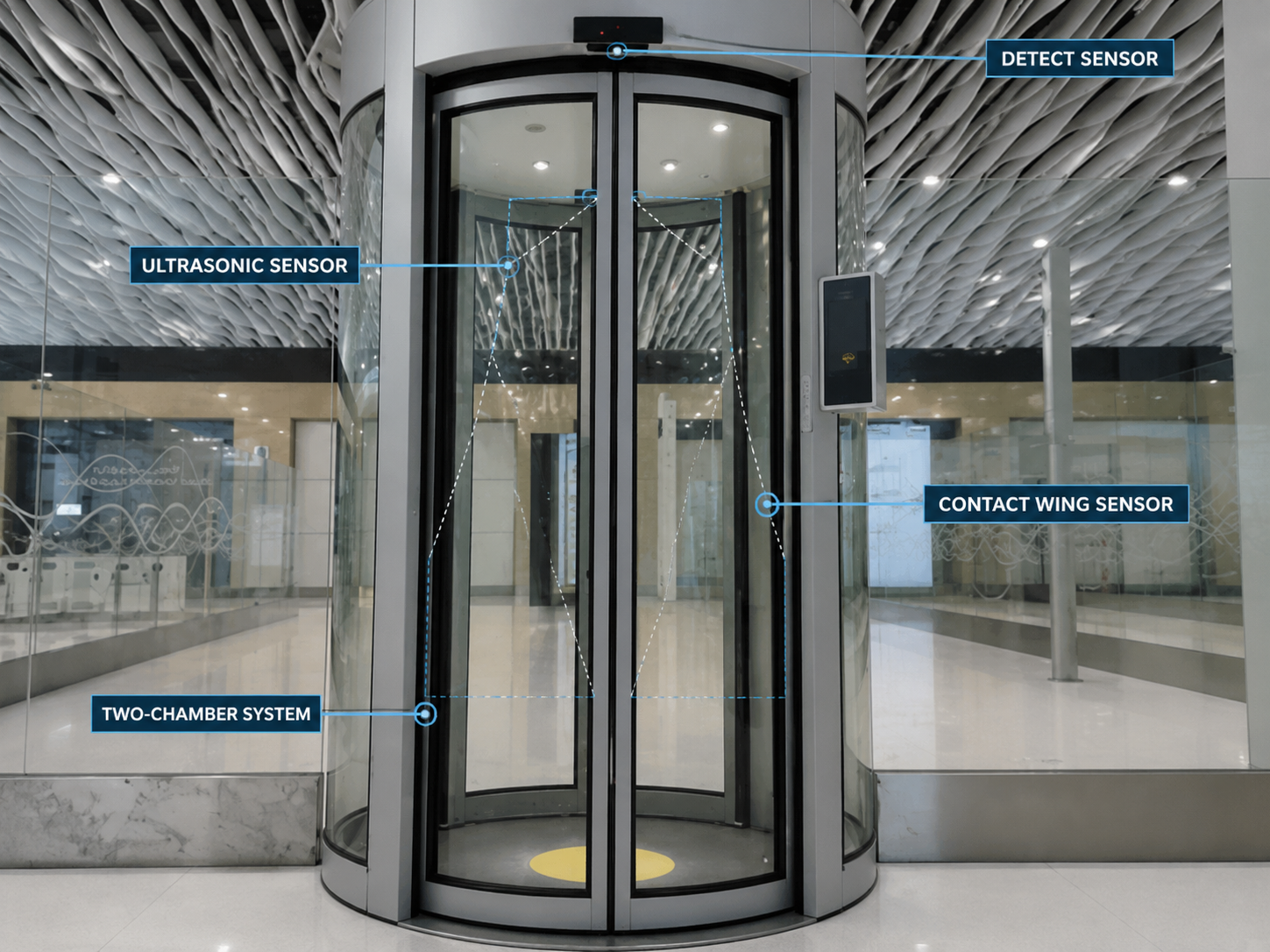
Left-item detection complements the detection system by identifying objects left inside the portal after passage. The system detects items measuring 50 × 50 × 30 mm or larger.
The available detection technologies vary between models and can be combined to suit the application. Selecting the appropriate combination typically requires only a brief discussion of the user profile, expected throughput, and security objectives, making it one of the first topics to address before the specification is finalised.
Operating States and Abnormal Conditions
The security portal operates in three states:
Controlled
Every user is required to present a valid credential before passage is authorised. This is the default operating state.
Free
Authentication is bypassed, allowing unrestricted passage. This is a temporary operating state intended for specific scenarios.
Blocked
Passage is prohibited, and all authorisation requests are ignored.
Operating states can be changed from the secure side using a key switch.
Behaviour on loss of power is configurable: doors can either release or remain locked. One logical constraint is built into the design – either one or both directions can be set to release, but both directions cannot remain locked simultaneously. Default settings differ between series and are configured to suit the site.
Fire alarm. The portal accepts an input via a volt-free contact and can be configured to unlock the secure door, the non-secure door, or both.
One design consideration is worth highlighting at this point.
Escape routes serving areas separated by a security portal must be designed independently of the portal itself. Addressing this requirement during the concept design stage is considerably easier than resolving it during regulatory approval.
Anti-hostage and anti-tamper. The series provides a configurable anti-hostage detection function together with tamper protection, including roof tamper switches and a panic button for external notification. Alarm events can be reported via volt-free outputs and a serial interface, enabling integration with CCTV, audible and visual alarms, and remote monitoring systems.
Choosing the Right Configuration: Geometry and Throughput
The series includes a wide range of models, but the reference points below are sufficient for preliminary layout and specification.
| Variant | Cabin footprint | Clear passage | Throughput |
|---|---|---|---|
| 6 / 6-SQ | 1050 × 1050 mm | 600 mm | 4 passages/min |
| 6-Twin / 6-SQ-Twin | 1800 × 1050 mm | 600 mm | 7 passages/min |
| 7 / 7-SQ | 1150 × 1150 mm | 700 mm | 4–5 passages/min |
| 7-2D | 1150 × 1150 mm | 670 mm | 6 passages/min |
| 9 / 9-SQ | 1650 × 1650 mm | 900 mm | 4 passages/min |
| 10-2D | 1800 × 1800 mm | 1050 mm | 5 passages/min |
| LPS line (6-SQ-L3, 7-SQ-L3, 9-SQ-L3) | 1050 × 1050 to 1500 × 1500 mm | 600–900 mm | 4 passages/min |
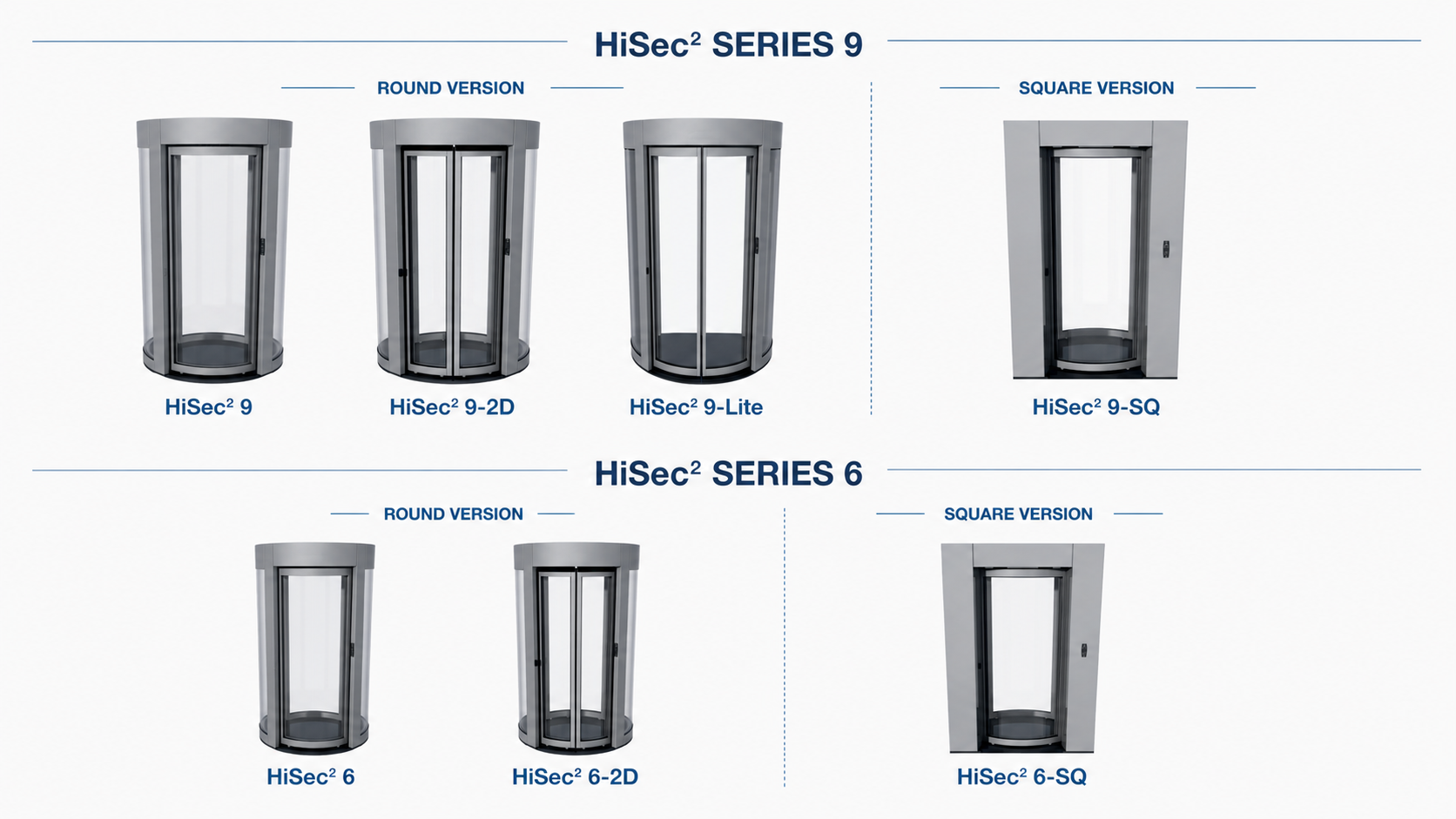
Square configurations are available with an optional 90° side exit, which can simplify the layout in space-constrained applications without increasing the installation footprint.
A selection principle worth establishing early. Clear passage width and throughput are independent design parameters. The 10-2D, with its 1050 mm clear passage width, is typically selected to accommodate wheelchair users rather than to increase throughput. Higher throughput is achieved using other configurations, such as the twin variants of the 6 series, which provide up to seven passages per minute within a single 1800 mm-wide housing.
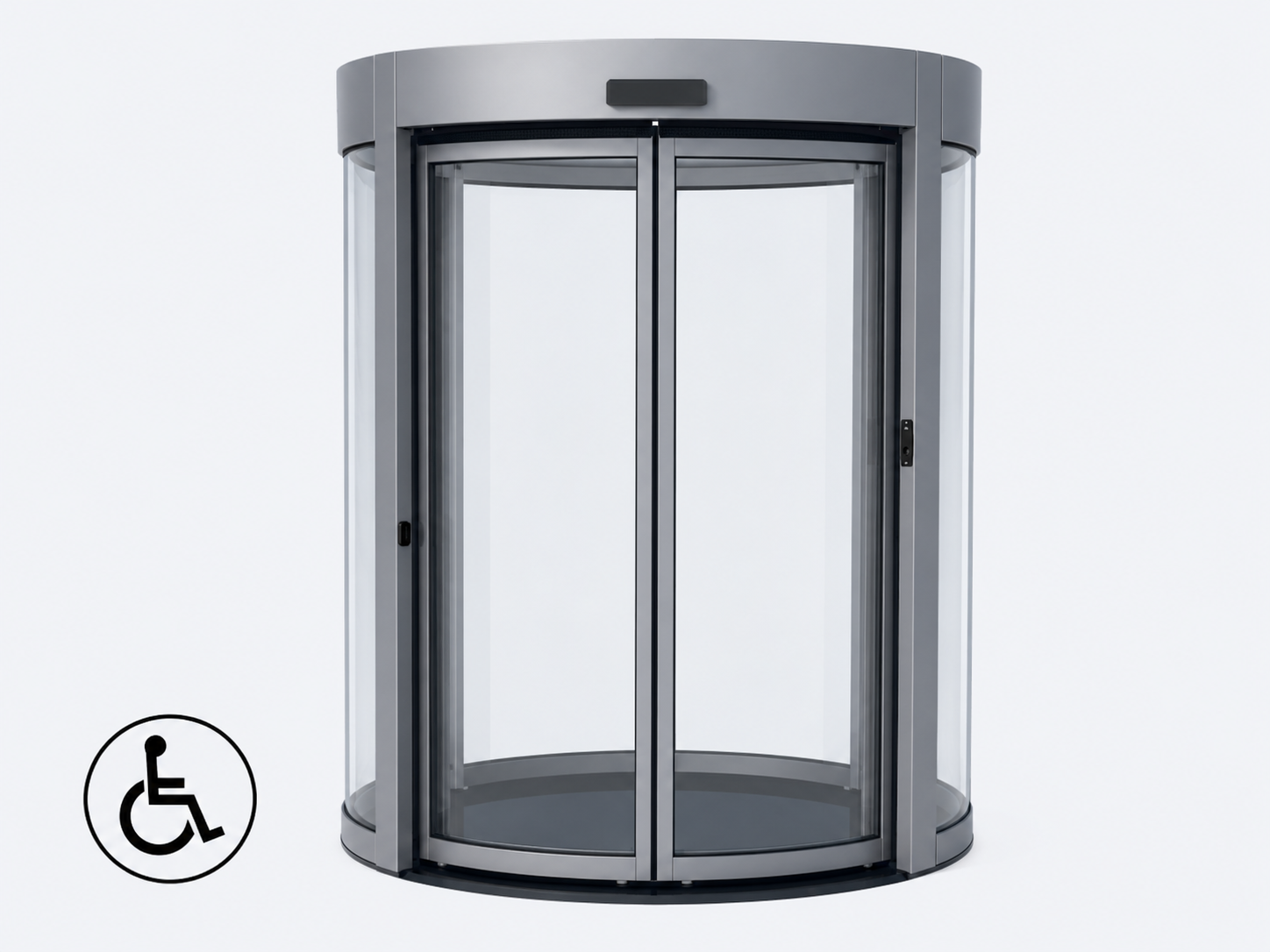
The range of available configurations and options is updated periodically. Current configuration availability and lead times should therefore be confirmed when preparing a project proposal.
Integration
The security portal is designed to operate as part of an integrated security system rather than as a stand-alone device. The following interfaces are provided as standard:
- interaction with the access control system through grant/deny authorisation;
- integration with credential readers mounted externally and inside the portal;
- integration with biometric devices;
- support for single-factor and two-factor authentication;
- LAN, CAN bus, RS232, and RS485 communication interfaces;
- discrete inputs and outputs, including volt-free contacts;
- event logging, remote configuration, and diagnostics using the manufacturer’s software.
These interfaces cover the requirements of most installations. Where the project requires specific communication protocols for the access control system, two-way integration with a security management platform, or event transmission to a video management system, the interface configuration should be agreed at the outset. The available options depend on both the selected configuration and the control electronics fitted.
Installation and Site Readiness
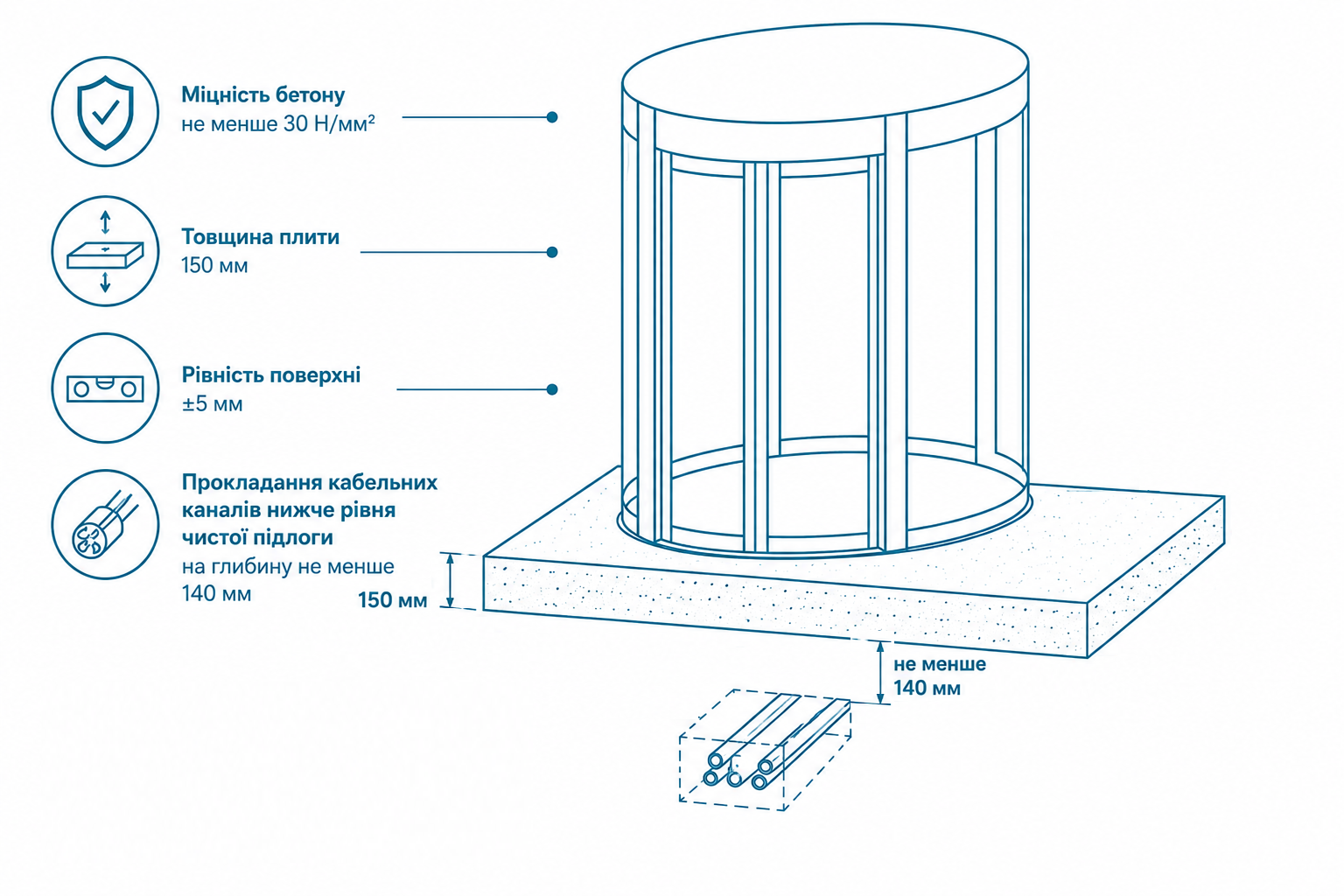
The security portal is delivered fully assembled and requires lifting equipment for installation. The installation site should provide:
- concrete with a minimum compressive strength of 30 N/mm²;
- a slab thickness of at least 150 mm;
- a finished surface level within ±5 mm;
- service conduits routed below finished floor level at a depth of at least 140 mm.
The mechanism is rated for approximately 2 million operating cycles (1.5 million for the LPS series). The specified mean time to repair (MTTR) is less than 30 minutes, and the operating temperature range is −10 to +45 °C, depending on the configuration.
Implication for the project programme. Foundation requirements and service conduits must be incorporated during the building works rather than during access control installation. If a security portal is introduced after the finished floor has been completed, additional construction work is typically required. This is one of the most common sources of unplanned cost in security portal installations and is easily avoided by making the decision to specify the portal early in the project.
Where a Security Portal Is the Right Choice—and Where Another Solution Fits Better
Selection criterion
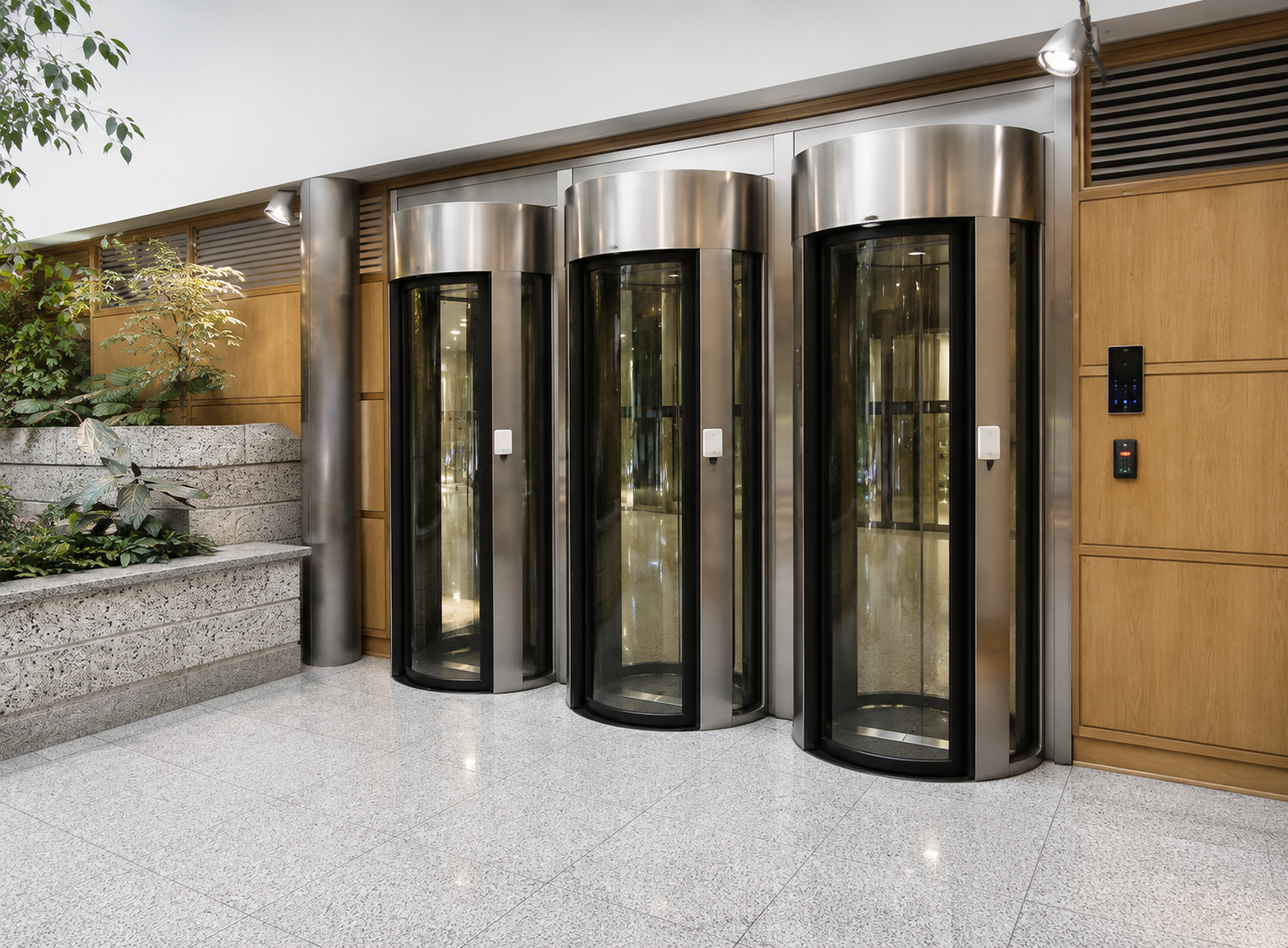
The decision is fundamentally an economic one: a security portal is the right choice wherever the cost of a single uncontrolled passage exceeds the cost of the reduced throughput.
Typical applications:
- data centres, data halls, and colocation facilities;
- secure back-of-house areas in financial institutions;
- government facilities with restricted-access areas;
- research laboratories and pharmaceutical manufacturing facilities;
- control rooms and other areas supporting critical processes.
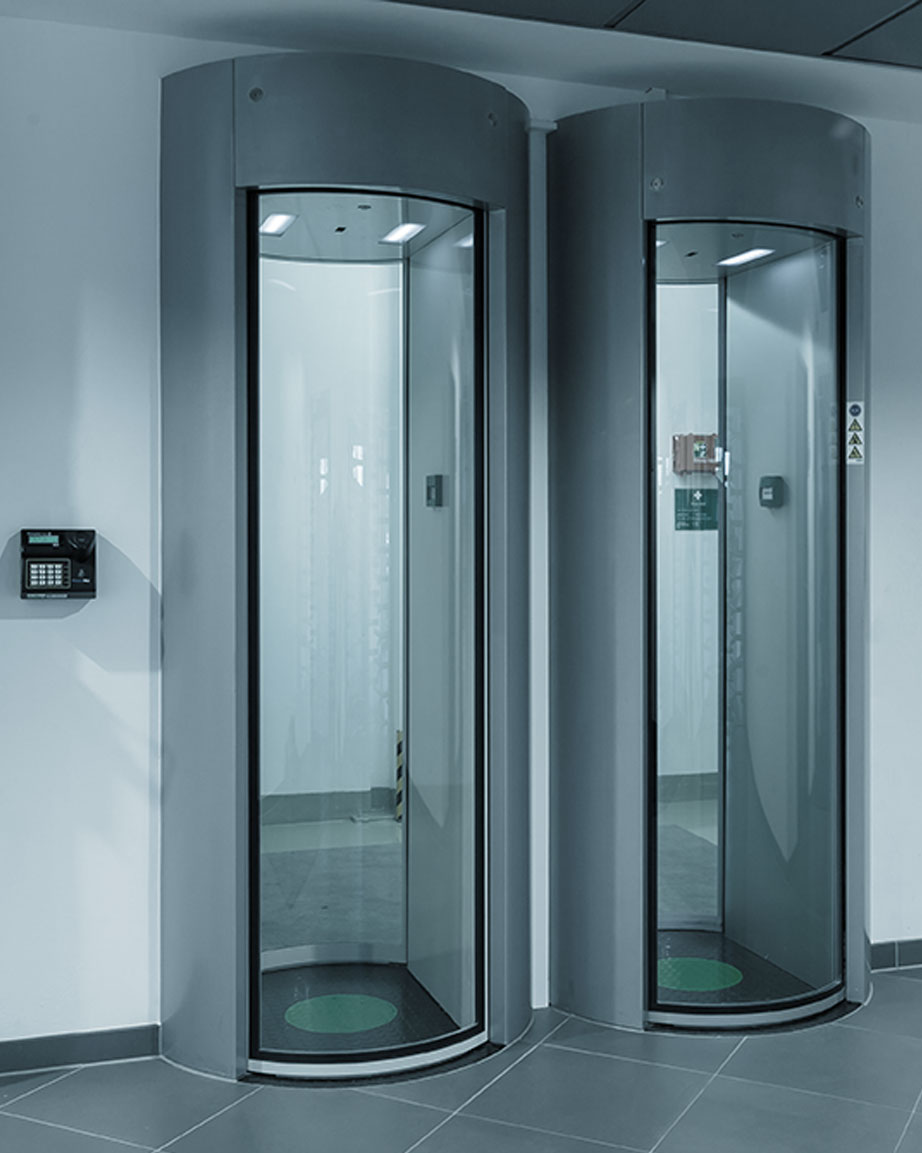
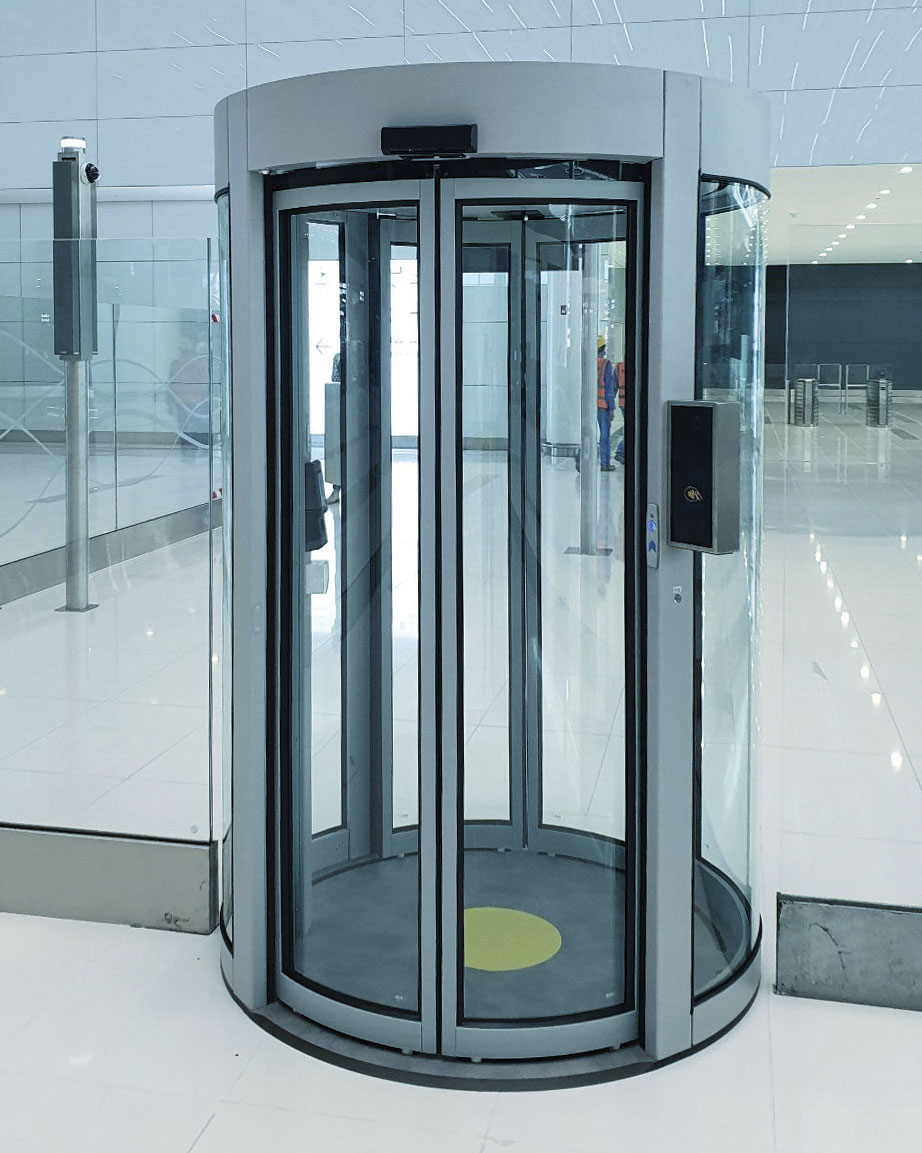
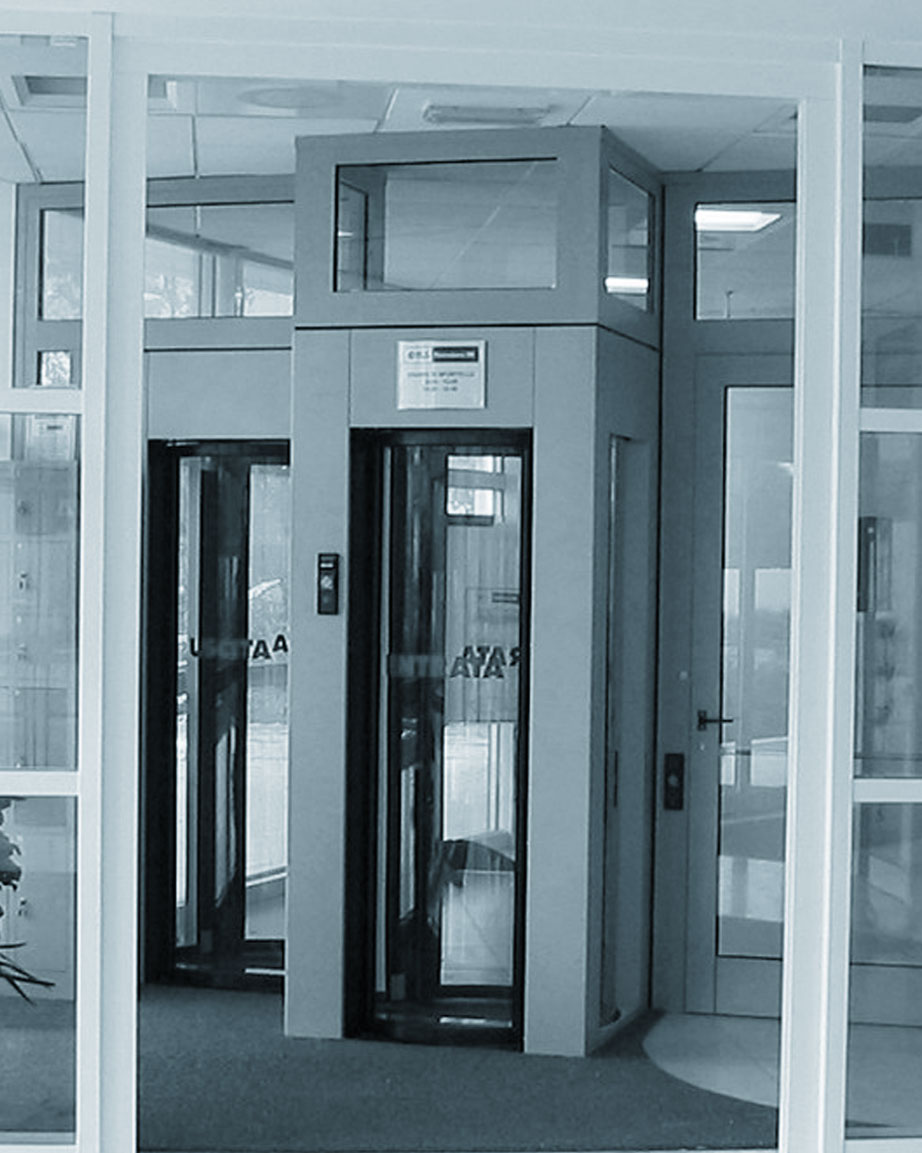
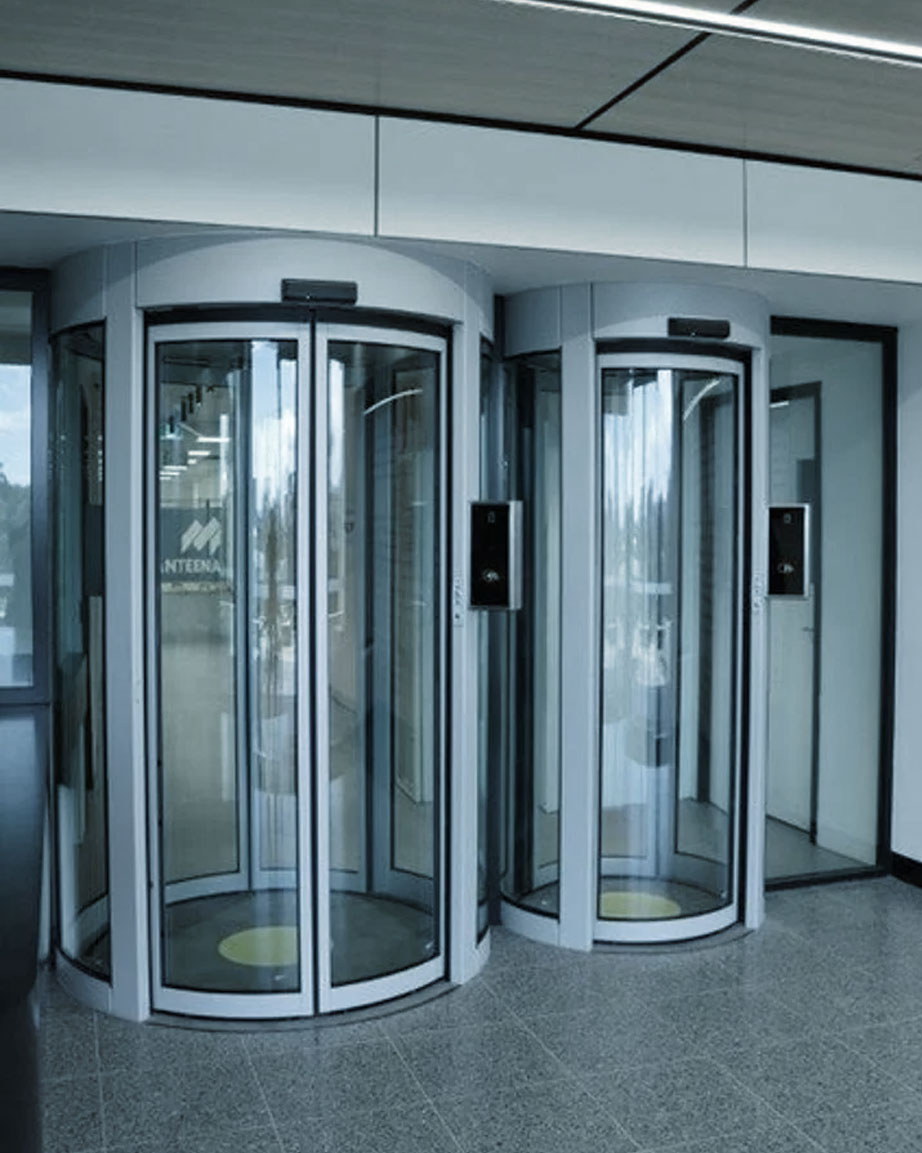
Figure 10. Access control to a data hall using a security portal
Alternative entrance control solutions are worth considering for:
- main building entrances with high peak traffic;
- visitor reception areas, where the primary performance metric is peak processing time;
- applications where speed of passage, rather than certainty of passage, is the overriding requirement.
This distinction is reflected in Gunnebo’s product portfolio. Alongside the HiSec² series, the company offers dedicated speed gates and revolving doors for applications where high throughput is the primary requirement. A security portal is not intended to replace these products. Instead, it addresses a different security layer, typically protecting internal high-security areas beyond the building’s primary access control perimeter.
For many facilities, the most effective solution is a layered approach: speed gates at the building entrance and a security portal at the boundary of the secure area.
Questions to Address at the Outset
This article provides an overview of the key considerations. The exact configuration depends on a small number of project-specific requirements, which are often established more efficiently through an initial discussion than through an extended exchange of emails.
- which single-person detection technology is most appropriate for the expected user population, and whether multiple detection methods are required;
- whether the standard configuration is sufficient or the certified LPS series is required;
- which configuration best fits the available space, and whether wheelchair accessibility is required;
- how the security portal will integrate with the existing access control system, and which interfaces are required;
- which operating state the doors should adopt following a power failure or a fire alarm signal;
- lead times for the selected configuration and required options.
Key Takeaways
The Gunnebo HiSec² series comprises security portals covering a wide range of configurations, multiple single-person detection technologies, and certified attack-resistant models within the LPS series.
It is not a universal solution for building entrances, nor is it a substitute for speed gates. It is a physical security control point at the boundary of a protected area, providing certainty of passage in exchange for reduced throughput. Where that level of assurance is a requirement rather than a preference, the HiSec² series performs reliably—provided that the configuration, detection technologies, system interfaces, and life safety requirements are defined during the concept stage rather than after installation.
FortiSec supports system integrators, consultants, and project teams with the specification of security portals. Where a project involves complex requirements for detection technologies, system integration, or certified security, an engineering review at the specification stage can help confirm the appropriate configuration before procurement.